Transforming Beauty with AI Advancements in Beauty

The beauty industry is undergoing a remarkable transformation thanks to the rapid development of artificial intelligence (AI). As someone deeply involved in this space, I have witnessed firsthand how AI is reshaping the way beauty products are created, marketed, and experienced. From personalized skincare recommendations to virtual try-ons, AI is not just a futuristic concept anymore - it is a powerful tool driving innovation and efficiency.
In this post, I will explore the most exciting AI advancements in beauty, highlighting practical applications and how they can help manufacturers, brands, and influencers stay ahead in a competitive market. Whether you are looking to enhance product development or improve customer engagement, understanding these technologies is essential.
AI Advancements in Beauty: Revolutionizing Product Development
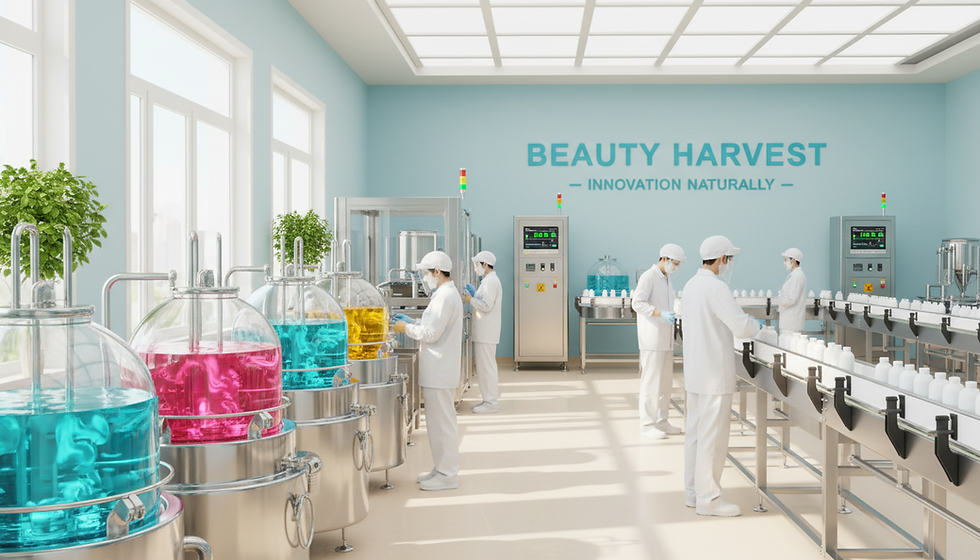
One of the most significant impacts of AI in beauty is on product development. Traditionally, creating a new beauty product involved lengthy trial-and-error processes, costly lab tests, and slow feedback loops. AI is changing this by enabling faster, data-driven innovation.
For example, AI algorithms can analyze vast datasets of skin types, environmental factors, and ingredient interactions to predict how a formula will perform. This allows manufacturers to optimize formulations before physical testing, saving time and resources. Additionally, AI-powered simulations can forecast product stability and shelf life, reducing the risk of recalls or customer dissatisfaction.
Another exciting development is the use of AI in ingredient discovery. Machine learning models can scan scientific literature and chemical databases to identify novel compounds with potential benefits, such as anti-aging or hydration properties. This accelerates the discovery of breakthrough ingredients that can differentiate products in the market.
By integrating AI into the R&D process, beauty companies can bring innovative products to market more efficiently and with greater confidence in their efficacy.

Enhancing Customer Experience with AI Advancements in Beauty
AI is also revolutionizing how consumers interact with beauty products. Personalized experiences are now the norm, driven by AI’s ability to analyze individual preferences, skin conditions, and lifestyle factors.
One popular application is AI-powered skin analysis tools. Using a smartphone camera, these tools assess skin concerns such as dryness, wrinkles, or pigmentation. Based on this analysis, they recommend tailored skincare routines and products. This level of personalization helps brands build trust and loyalty by addressing unique customer needs.
Virtual try-on technology is another game-changer. Powered by augmented reality (AR) and AI, customers can see how makeup products like lipstick or eyeshadow will look on their face in real-time. This reduces the uncertainty of online shopping and increases conversion rates. Brands can also use this technology to create interactive marketing campaigns that engage users in fun and innovative ways.
Moreover, AI chatbots and virtual beauty advisors provide instant support and product guidance, enhancing the overall shopping experience. These tools can answer questions, suggest complementary products, and even schedule appointments, making the customer journey seamless.
Integrating these AI-driven solutions into your digital platforms can significantly boost customer satisfaction and sales.

Leveraging AI for Smarter Marketing and Influencer Collaboration
Marketing in the beauty industry is evolving rapidly with AI’s help. Data analytics and machine learning enable brands to understand consumer behavior at a granular level, allowing for highly targeted campaigns.
AI tools can segment audiences based on demographics, purchase history, and online activity, ensuring that marketing messages resonate with the right people. Predictive analytics also help forecast trends and consumer demand, enabling brands to plan product launches and promotions strategically.
Influencer marketing, a cornerstone of beauty brand promotion, benefits greatly from AI as well. Platforms powered by AI can identify the most relevant influencers for a brand by analyzing engagement rates, audience demographics, and content relevance. This ensures collaborations are authentic and effective.
Furthermore, AI can monitor social media sentiment and track campaign performance in real-time, allowing brands to adjust strategies quickly. This agility is crucial in a fast-paced industry where trends can change overnight.
For those looking to streamline innovation and collaboration, a beauty tech platform offers an integrated ecosystem where manufacturers, brands, and influencers can connect, share insights, and co-create products efficiently.
Ethical Considerations and Challenges in AI-Driven Beauty Innovation
While AI offers tremendous opportunities, it also raises important ethical questions and challenges that must be addressed responsibly.
Data privacy is a primary concern. AI systems often rely on collecting and analyzing personal data, such as skin images or purchase history. Ensuring that this data is handled securely and with user consent is critical to maintaining trust.
Bias in AI algorithms is another issue. If training data lacks diversity, AI recommendations may not be accurate or inclusive for all skin tones and types. Brands must prioritize developing AI models that are fair and representative of diverse populations.
Additionally, transparency about how AI is used in product development and marketing helps consumers make informed decisions. Clear communication about AI’s role can enhance credibility and reduce skepticism.
Finally, integrating AI should complement human expertise, not replace it. The best results come from combining technology with the creativity and intuition of beauty professionals.
Embracing the Future: Practical Steps to Integrate AI in Beauty Innovation
To harness the full potential of AI advancements in beauty, companies should take a strategic approach:
Assess Needs and Goals - Identify specific areas where AI can add value, such as product formulation, customer engagement, or marketing analytics.
Invest in Quality Data - Collect diverse, high-quality data to train AI models effectively and avoid bias.
Collaborate with Experts - Work with AI specialists and beauty professionals to develop tailored solutions.
Pilot and Iterate - Start with small-scale AI projects, measure results, and refine approaches before scaling.
Focus on User Experience - Ensure AI tools are user-friendly and enhance the customer journey.
Maintain Ethical Standards - Prioritize data privacy, inclusivity, and transparency in all AI initiatives.
By following these steps, beauty manufacturers, brands, and influencers can stay competitive and innovative in a rapidly evolving landscape.
AI is not just a trend; it is a transformative force that will continue to shape the future of beauty. Embracing these technologies thoughtfully will unlock new possibilities for creativity, efficiency, and customer satisfaction.
The integration of AI into the beauty industry marks a new era of innovation and collaboration. As these technologies mature, they will empower brands to create more personalized, effective, and sustainable products. Staying informed and proactive about AI advancements is essential for anyone involved in beauty product innovation today.


Comments